

Why Modern Events Outgrow Spreadsheets
When guest lists grow past 200 attendees, spreadsheets stop being an asset and become the single biggest operational vulnerability in your event production.
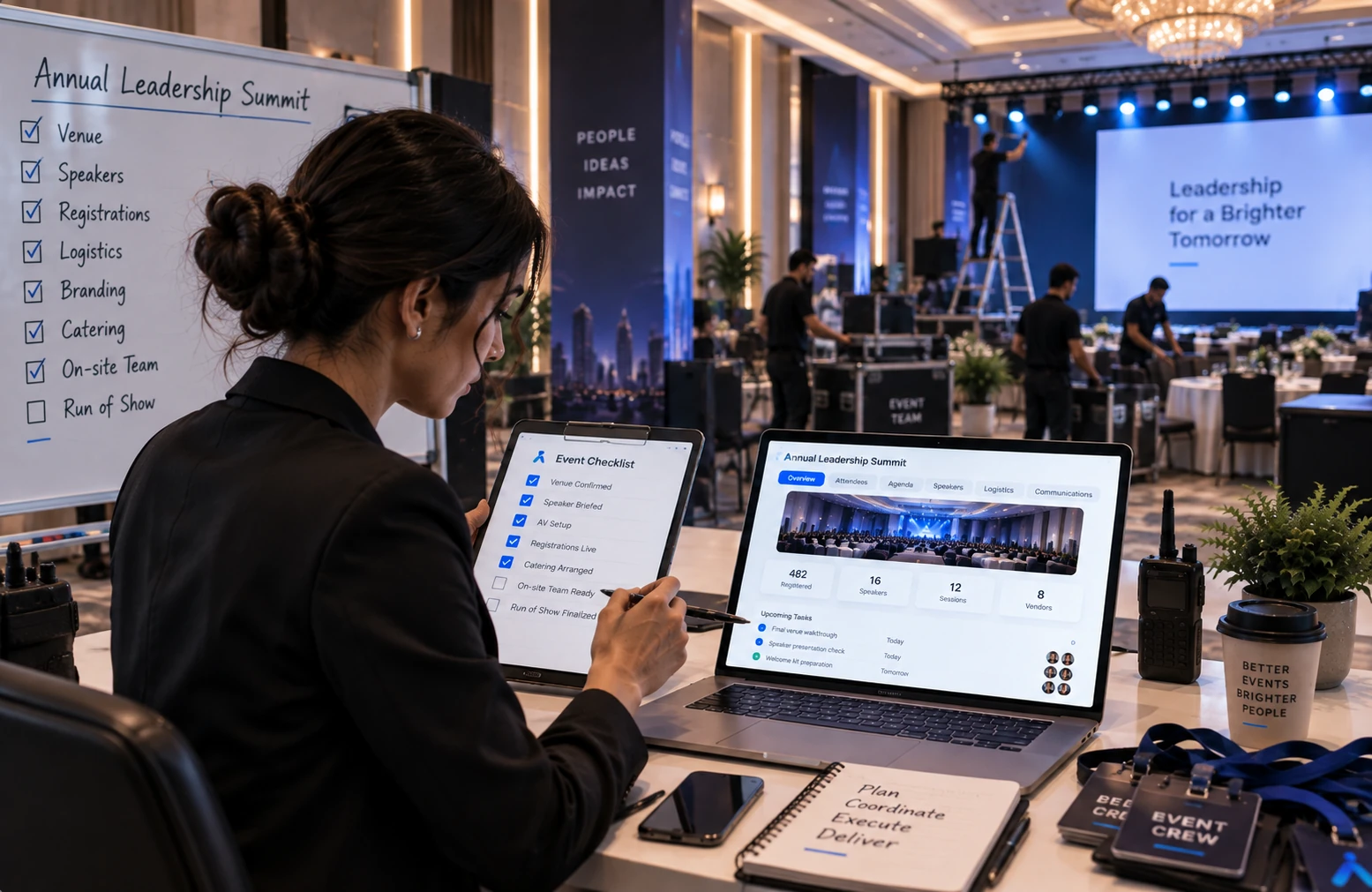
- Version fragmentation between organizers, sponsors, and clients creates costly gate errors.
- Manual exports lack data governance, opening organizations to severe GDPR and privacy leaks.
- Real-time event platforms replace static rows with live stateful delegate profiles.
- Automatic synchronization ensures that approvals, check-ins, and ticket invalidations reflect in milliseconds across all devices.
The Tipping Point of Static Data
Every event starts with good intentions in a spreadsheet. It feels lightweight, familiar, and practically free. But as ticketing opens, sponsor delegations expand, and VIP guest lists fluctuate, the spreadsheet begins to fracture. Multiple team members create separate versions: 'Final_v2_APPROVED.xlsx' clashes with 'Final_v3_UPDATED.xlsx'.
At a 1,500-delegate enterprise conference, a single desynchronized cell can mean a VIP keynote speaker is turned away at the venue door, or 200 unvetted guests enter restricted hospitality lounges. In modern corporate event production, static tables simply cannot keep pace with real-time human movement.
Security and Compliance Gaps
Exporting attendee contact details, dietary restrictions, and passport numbers into shared files creates an immediate compliance hazard. Spreadsheets lack immutable audit trails—there is no cryptographic record of who approved an attendee, who exported the list, or when a pass was revoked.
Attendee replaces static documents with a role-based access control framework. Corporate clients review delegates inside isolated review portals without ever needing raw CSV exports, keeping your organization compliant with global data privacy mandates.
The Shift to Modern Stateful Event Platforms
A stateful platform tracks an attendee's complete lifecycle: from registration submission, client vetting, digital pass generation, venue gate scanning, live session engagement, to post-event survey response.
When an attendee's status changes in Attendee, it updates universally across the cloud database, scanner handhelds, and client dashboards in under 100 milliseconds. The result is total operational calm on venue day.
“The moment an event team stops managing rows and columns and starts orchestrating real-time attendee states, gate stress drops to zero.”
More from Attendee Insights
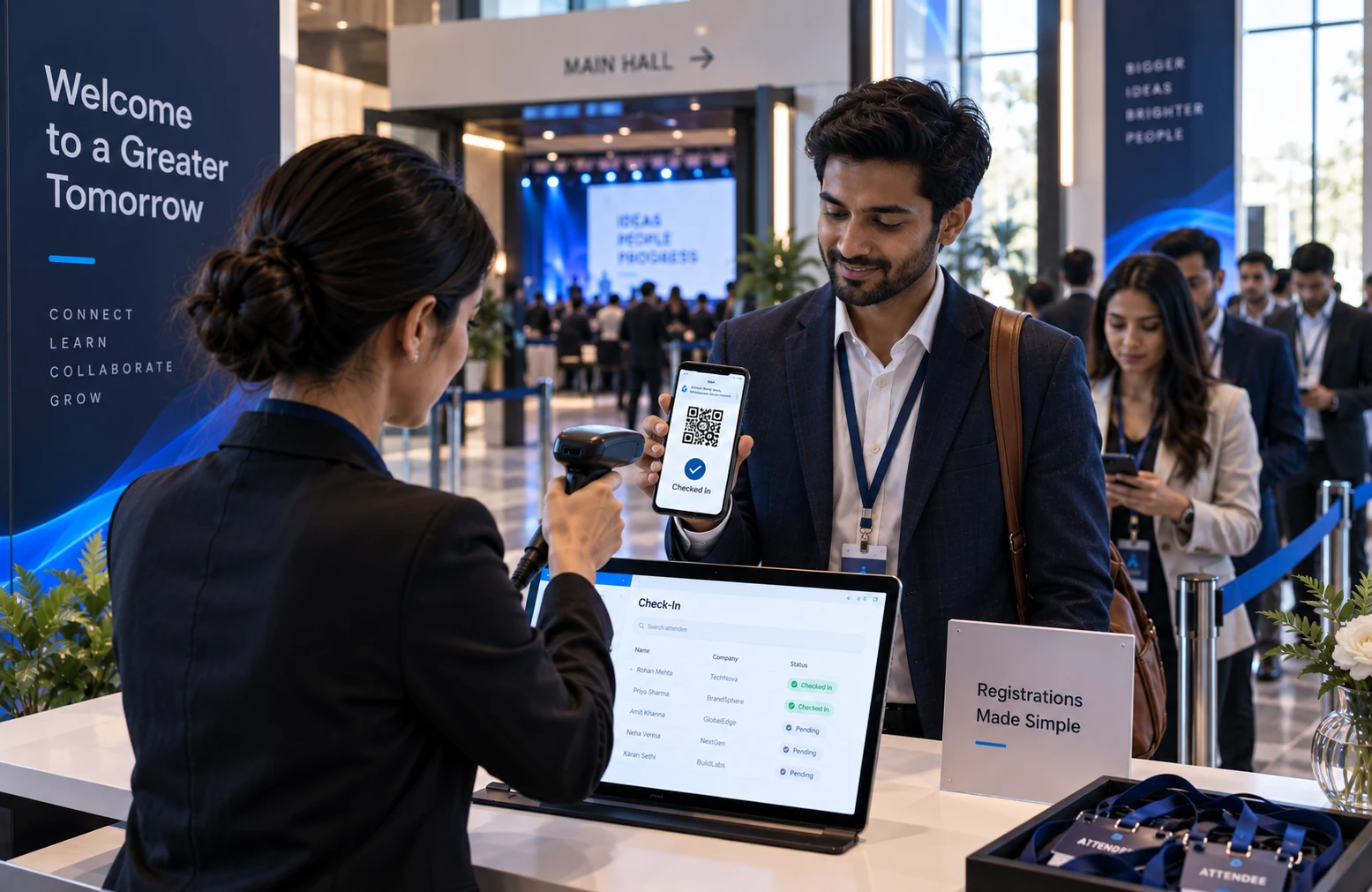
Ending Venue Queues with Instant QR Passes
Long registration lines at 8:30 AM ruin attendee first impressions. Here is the engineering blueprint for processing 3,000+ arrivals in under 20 minutes.

Turning Delegate Data into Boardroom ROI
How forward-thinking corporate leadership replaces post-event guesswork with live check-in velocity, session dwell times, and instant executive reports.
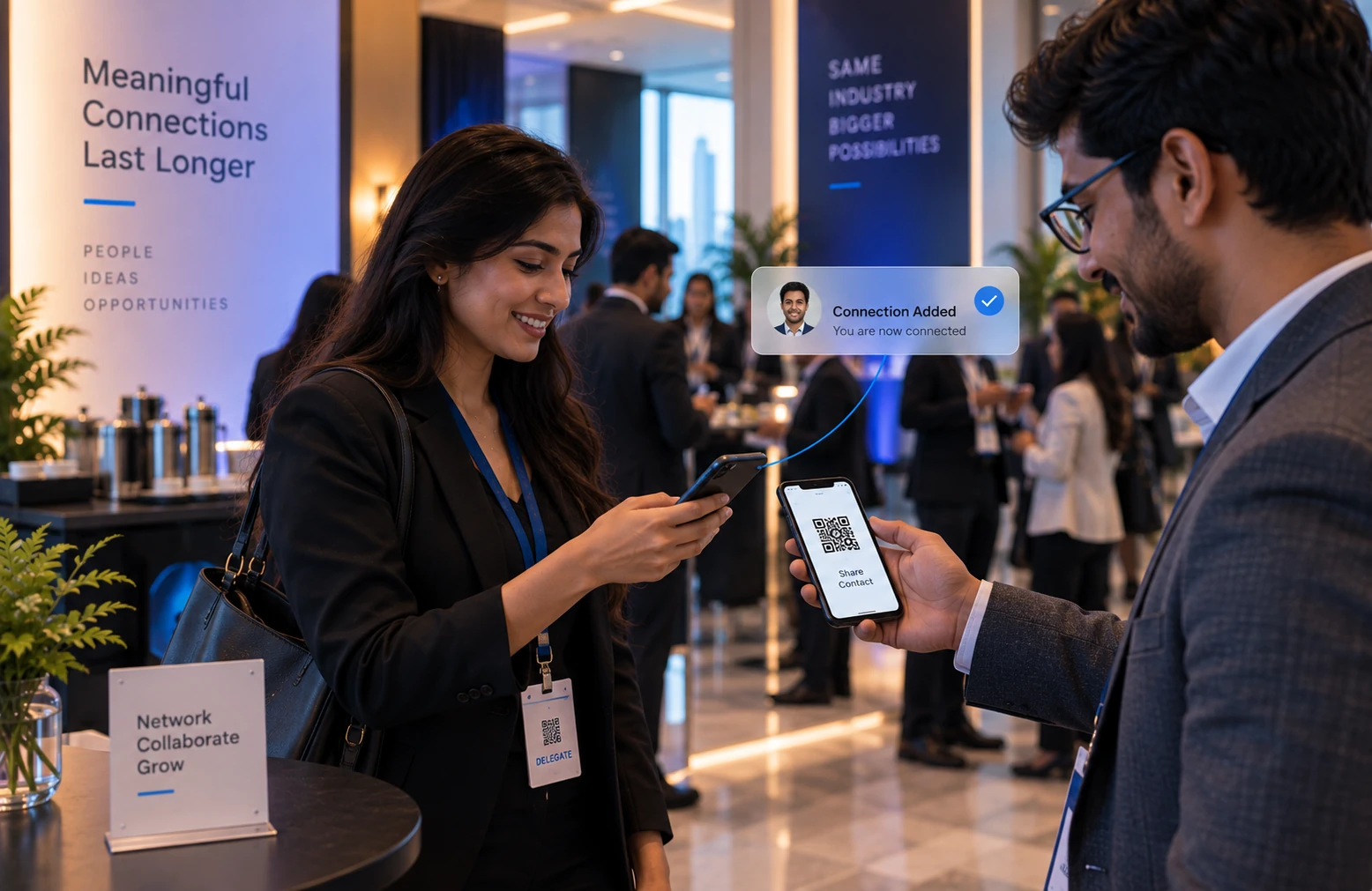
WhatsApp Automation: The 98% Open Rate Secret
Why leading event organizers have transitioned their mission-critical delegate communications from email inboxes to the official WhatsApp Business API.